What Is a Lung Trainer – And Do You Actually Need One?
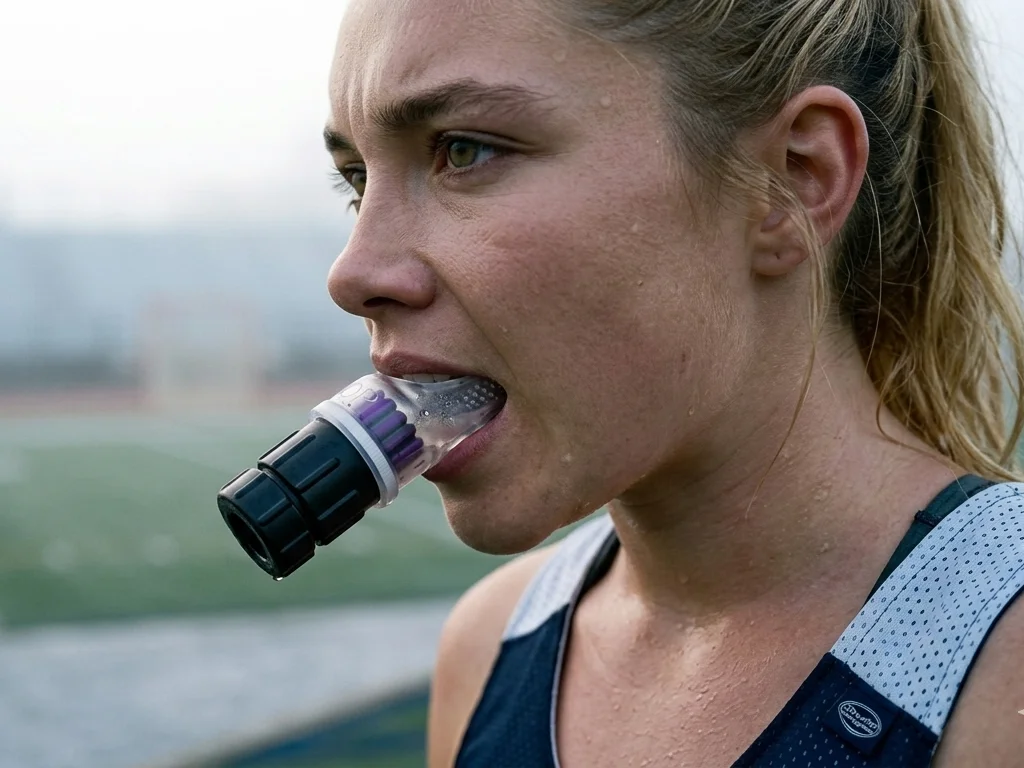
If you’ve never heard of a lung trainer before, you’re not alone. It’s one of the most effective and most overlooked tools in fitness. But once you understand what it does and how simple it is to use, it’s hard to imagine training without one.
Here’s everything you need to know to get started.
So, What Exactly Is a Lung Trainer?
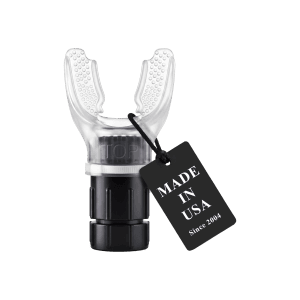
A lung trainer is a handheld breathing device that adds resistance to your breath. That’s it. You breathe in, you breathe out but instead of breathing freely, you’re breathing against a controlled level of resistance that makes your breathing muscles work harder than they normally would.
Think of it like a resistance band but for your diaphragm.
The muscles involved in breathing, particularly the diaphragm, respond to training the same way any other muscle does. Apply resistance. Create fatigue. Rest. Adapt. Get stronger. A lung trainer is simply the tool that makes that process possible.
Why Would I Need to Train My Breathing?
Here’s something most people don’t realize: breathing under physical load is very different from breathing at rest.
When you exercise. Run, lift, cycle, play a sport. your respiratory muscles are working overtime. For most people, those muscles have never been deliberately trained. They’re doing their best with whatever baseline strength they have.
When they fatigue, you feel it. That out-of-breath, can’t-catch-up feeling isn’t always about fitness. Sometimes it’s about respiratory muscle endurance and that’s something you can directly improve.
A stronger respiratory system means:
- You breathe more efficiently during exercise
- You recover faster between efforts
- Hard workouts feel more manageable
- You can push longer before hitting your limit
And the best part? You don’t need to be an athlete to benefit. Anyone who moves their body whether it’s gym sessions, weekend hikes, or just keeping up with an active lifestyle can feel the difference.
How Do You Use One?
Using a lung trainer is straightforward. Here’s a simple beginner routine to start with no experience required.
Step 1 – Find your starting resistance Most lung trainers are adjustable. Start at the lowest resistance setting. It should feel like a noticeable effort but not a strain. You’ll increase resistance as your breathing muscles get stronger.
Step 2 – Start with 10 minutes, three times a week That’s all it takes to begin. Sit upright, breathe in slowly and fully through the device, then exhale completely. Focus on your belly rising first; not your chest. Control the breath in both directions.
Step 3 – Be consistent, not intense Respiratory muscle training is about consistency over time, not how hard you push in one session. Think of it like building any other muscle show up regularly, let the adaptation happen.
What to expect in the first few weeks:
- Week 1–2: Breathing feels more deliberate. You become aware of how shallow your everyday breathing actually is.
- Week 3–4: Less breathlessness during moderate activity. Recovery between efforts starts to improve.
- Week 5–8: Noticeable difference in how hard exercise feels. Your breath stops being the thing that slows you down.
Is It Right for You?
If you exercise regularly (or want to) a lung trainer is worth your attention. It’s compact, drug-free, and requires no special setup or program. You can use it at home, before a workout, or even during a rest day.
It’s not a shortcut. It’s a training tool. One that addresses a part of your fitness that almost nobody else is working on which means the gains are there, waiting, for the people who show up consistently.
You breathe every moment of every workout. It’s time to make those breaths count.
Shop Lung Training at Expand-A-Lung
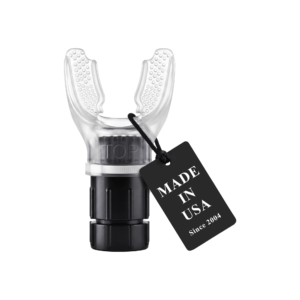
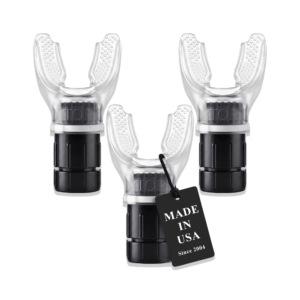
Expand-A-Lung is a compact, drug-free respiratory training device
designed to strengthen breathing muscles for everyone from elite
athletes to everyday performers.