Unlock Better Performance: What Happens to Your Body When You Control Your Breathing
Breathing is one of the few things your body does automatically but it’s also something you can consciously improve.
Whether you’re pushing through the final mile of a run, powering through a challenging workout, or trying to recover between sets, your breathing influences how you feel and how you perform. Yet many active people spend years training their muscles without ever training the system that helps fuel them.
So, what happens to your body when you control your breathing?
The answer isn’t about taking one deep breath. It’s about developing better breathing habits that support movement, endurance, and performance over time.
Your Body Becomes More Efficient During Activity
Every movement requires energy, and every source of energy depends on oxygen.
When your breathing is rushed or inconsistent, your body may work harder than necessary to keep up with the demands of exercise. Learning to breathe with more control helps create a steadier rhythm between your breathing and your movement.
That doesn’t mean you’ll instantly run faster or lift heavier. But it can help your workouts feel more controlled, especially during longer or more demanding sessions.
Think of controlled breathing as improving the efficiency of your engine rather than simply pressing harder on the accelerator.
You Stay More Focused Under Pressure
Physical performance isn’t just about strength.
It’s also about maintaining concentration when your body starts working hard.
Many athletes naturally lose focus when breathing becomes rapid and uncontrolled. By slowing your breathing and establishing a rhythm, you create a consistent point of focus that helps you stay engaged with your workout instead of reacting to fatigue.
This is one reason controlled breathing is commonly practiced in activities like:
- Running
- Cycling
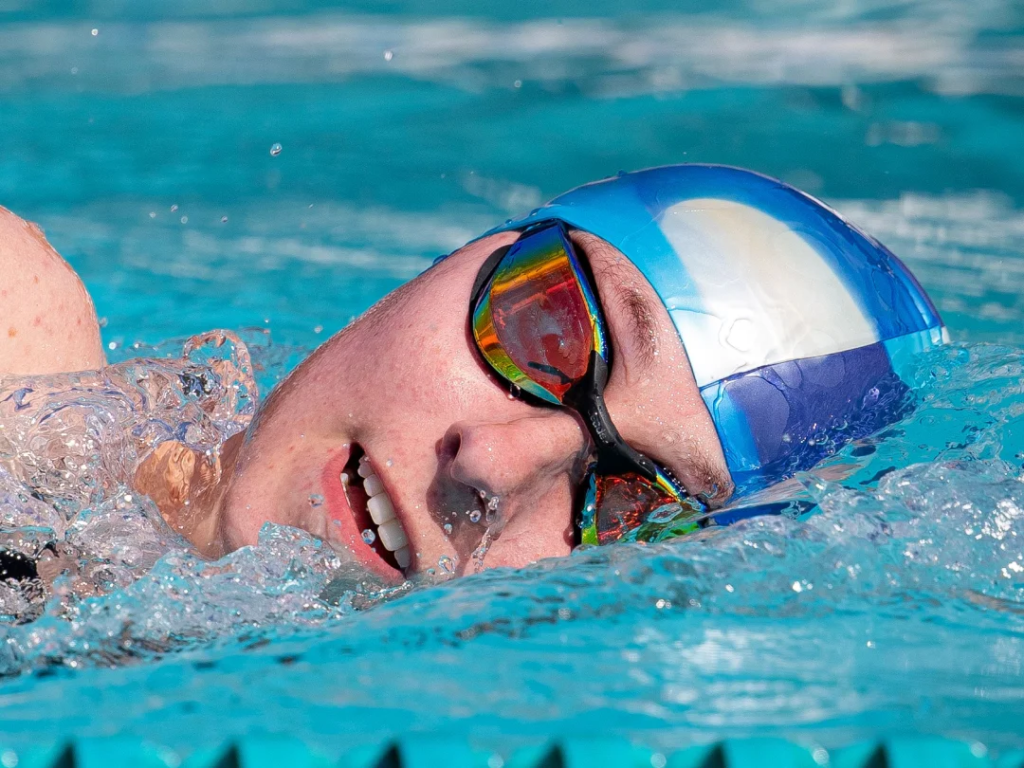
- Swimming
- Rowing
- Functional fitness
- Martial arts
- Strength training
Across these disciplines, breathing becomes part of the movement rather than an afterthought.
You Build Better Breathing Awareness
Most people don’t realize how they breathe until they’re out of breath.
Learning to control your breathing increases your awareness of patterns you may never have noticed before.
For example, you might discover that you:
- Hold your breath during lifts.
- Breathe too quickly during intervals.
- Lose rhythm during longer cardio sessions.
- Take shallow breaths when workouts become challenging.
Recognizing these habits is often the first step toward improving them.
Your Breathing Muscles Get More Practice
Your legs aren’t the only muscles working during exercise.
The muscles involved in breathing including the diaphragm and other respiratory muscles are active every time you inhale and exhale.
Like any muscle group, they respond to consistent training.
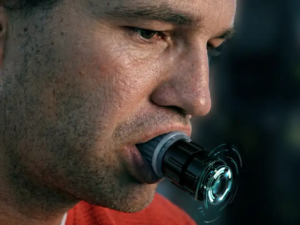
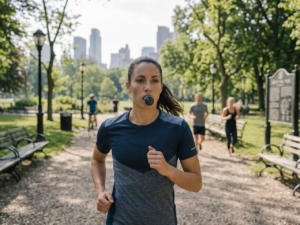
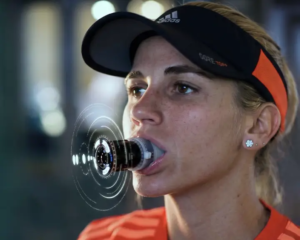
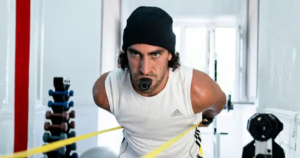
Many endurance athletes include breathing exercises or breathing resistance training alongside their regular workouts to challenge these muscles in a controlled way.
The goal isn’t to make breathing harder during exercise. It’s to become more comfortable maintaining steady, efficient breathing when your workouts become demanding.
Recovery Can Feel More Controlled
The moments after a hard effort matter just as much as the effort itself.
Instead of pacing around while taking rapid breaths, many athletes use slow, controlled breathing immediately after exercise to help settle into recovery.
This allows you to regain your rhythm before beginning your next interval, set, or workout.
Controlled breathing becomes a transition between high effort and readiness for what’s next.
Small Changes Add Up Over Time
One controlled workout won’t completely transform your endurance.
But consistent breathing practice can become another valuable piece of your training routine.
Just as strength improves through repetition, breathing control develops through regular practice.
Over weeks and months, many active individuals notice they’re paying more attention to how they breathe. Not because they have to, but because it becomes second nature.
A Simple Challenge You Can Try Today
The next time you head out for a walk, run, ride, or gym session, spend just five minutes focusing on one thing:
Your breathing rhythm.
Instead of letting your breathing become reactive, try matching it to your movement.
For example:
- During a brisk walk, inhale for three steps and exhale for three steps.
- During an easy run, experiment with a comfortable breathing cadence that feels sustainable.
- During strength exercises, exhale during the effort and inhale as you return to the starting position.
You don’t need to change your workout… You only need to become more aware of how you breathe through it.
Many people are surprised by how different their training feels when breathing becomes intentional instead of automatic.
Ready to Take It One Step Further?
Once you’ve built awareness of your breathing, you can begin training it just like any other aspect of fitness.
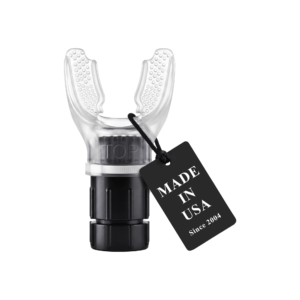
Adding a few minutes of breathing exercises or incorporating a breathing resistance trainer into your weekly routine can complement your endurance, strength, and recovery program.
It’s not about replacing your workouts… It’s about helping you get more from them.
If you’ve spent months improving your legs, your core, and your cardiovascular fitness, ask yourself one question:
When was the last time you trained the muscles that help you breathe?
It might be the missing piece you’ve never considered.
Controlled breathing isn't reserved for elite athletes.
It’s a practical skill that anyone with an active lifestyle can develop.
By improving breathing awareness, practicing consistent breathing patterns, and making breathing part of your overall training routine, you can support smoother workouts, better focus, and more consistent performance over time.
Sometimes the simplest adjustment isn’t training harder. It’s learning to breathe with purpose.
Train Your Breath with Expand-A-Lung
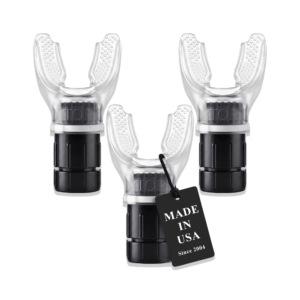
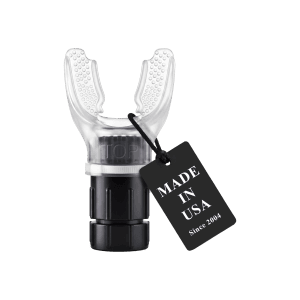
Expand-A-Lung is a compact, drug-free respiratory training device
designed to strengthen breathing muscles for everyone from elite
athletes to everyday performers.
Build your breathing routine one step at a time.