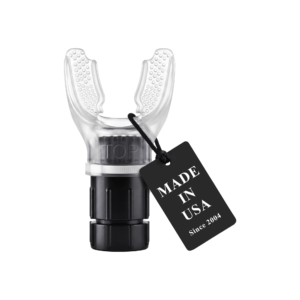
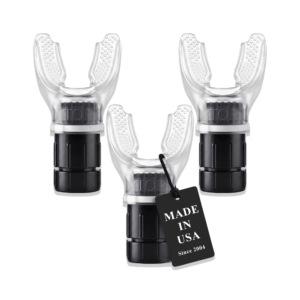
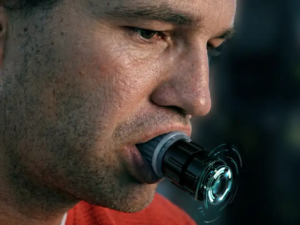
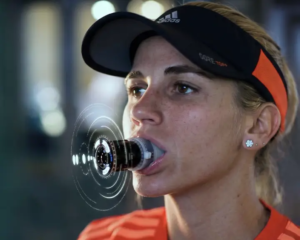
Breathing Exercise Device for Lung Capacity Improvement & Conditioning
When most people think about fitness, they focus on stronger muscles, faster running times, or lifting heavier weights. Yet one of the most overlooked parts of performance is something you do every moment of the day. Breathing.
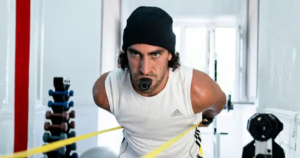
A dedicated breathing exercise device can help train the muscles responsible for breathing, allowing them to work more efficiently during exercise. Just as you train your legs, core, or shoulders, your breathing muscles also respond to consistent training.
Whether you’re an athlete, a weekend warrior, or someone simply looking to improve overall fitness, adding breathing exercises into your routine can complement your existing training and support better conditioning over time. Expand-A-Lung positions its breathing trainer as a respiratory muscle training tool with adjustable resistance for everyday users and athletes alike.
What Is a Breathing Exercise Device?
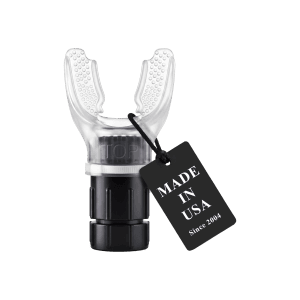
A breathing exercise device provides adjustable resistance as you inhale and exhale, encouraging your respiratory muscles. Including the diaphragm and muscles between the ribs, to work harder than they normally would.
Think of it as resistance training. But for your breathing muscles.
Unlike cardio equipment, a breathing trainer is compact, portable, and designed to fit into your daily schedule without replacing your existing workouts.
Potential benefits of consistent respiratory muscle training may include:
- Better breathing efficiency during exercise
- Increased awareness of proper breathing technique
- Improved breathing control during endurance activities
- Greater confidence during physical training
- A convenient way to complement your conditioning program
Understanding Lung Capacity Improvement
Many people assume lung capacity can dramatically increase with exercise. In reality, your total lung size is largely determined by factors such as age and body size. However, you can improve how efficiently you use your lungs and breathing muscles, making physical activity feel easier over time.
This distinction is important.
Instead of focusing only on “bigger lungs,” effective respiratory training aims to improve:
- Breathing muscle strength
- Breath control
- Breathing efficiency
- Oxygen delivery during exercise
- Coordination between breathing and movement
These improvements can contribute to better overall exercise performance and conditioning.
One of the most effective ways to support your lungs is by moving your body regularly.
Physical activity challenges your heart, muscles, and respiratory system to work together more efficiently.
Activities such as:
- Walking
- Cycling
- Swimming
- Hiking
- Jogging
- Recreational sports
encourage deeper, more consistent breathing during exercise.
You don’t need to become a marathon runner overnight. Starting with manageable activities and increasing your activity level gradually is often a more sustainable approach.
Why Conditioning Starts With Better Breathing
Conditioning is your body’s ability to perform work repeatedly without fatiguing quickly.
While conditioning often focuses on cardiovascular fitness, efficient breathing plays a major role because your muscles rely on oxygen during activity.
When breathing becomes more controlled, many people find it easier to:
- Maintain exercise intensity
- Recover between workout intervals
- Stay relaxed during demanding training
- Maintain consistent performance
This is why many endurance athletes include breathing exercises alongside their regular strength and cardio programs.
Simple Breathing Exercises to Add to Your Routine
A breathing exercise device works best when paired with consistent practice.
Here are several exercises commonly recommended for improving breathing awareness.
1. Controlled Deep Breathing
- Sit upright.
- Inhale slowly through the device.
- Exhale under control.
- Repeat for 10–15 breaths.
2. Diaphragmatic Breathing
Focus on allowing your abdomen to expand rather than lifting your shoulders.
This encourages the diaphragm to do more of the work and is commonly used to improve breathing mechanics.
3. Workout Recovery Breathing
Immediately after finishing a challenging workout:
- Slow your breathing.
- Take controlled breaths.
- Focus on steady rhythm instead of rapid breathing.
This can help you regain composure before your next exercise.
Building a Weekly Workout Routine with Breathing Training
Instead of replacing your normal fitness plan, breathing exercises fit alongside it.
Monday
- Strength workout
- 5–10 minutes breathing exercises
Tuesday
- Cardio session
- Controlled recovery breathing
Wednesday
- Mobility training
- Respiratory muscle training
Thursday
Friday
- Strength workout
- Controlled breathing cooldown
Saturday
- Outdoor activity
- Light breathing exercises
Sunday
- Recovery day
- Relaxed breathing practice
This simple schedule keeps respiratory training consistent without adding significant time to your day.
Who Can Benefit?
A breathing exercise device may be useful for people who want to complement an active lifestyle, including:
- Runners
- Cyclists
- Swimmers
- Hikers
- Team sport athletes
- Fitness enthusiasts
- Anyone interested in improving breathing efficiency during exercise
Expand-A-Lung recommends beginning with lower resistance and gradually increasing the challenge as breathing muscles adapt.
Tips for Better Results
To get the most from your breathing exercises:
- Practice consistently.
- Maintain good posture.
- Increase resistance gradually.
- Pair breathing sessions with regular exercise.
- Stay hydrated.
- Avoid rushing each breath.
- Focus on smooth, controlled breathing rather than speed.
Like any fitness habit, consistency matters more than intensity.
Common Mistakes
Avoid these common errors:
- Starting with resistance that is too high
- Raising your shoulders instead of engaging your diaphragm
- Holding your breath unnecessarily
- Training inconsistently
- Expecting overnight changes
Respiratory muscles respond best to regular, progressive training just like any other muscle group.
Frequently Asked Questions
Does a breathing exercise device replace cardio?
No. It complements your existing training by focusing on respiratory muscle conditioning rather than replacing aerobic exercise.
Can breathing exercises improve lung capacity?
Breathing exercises are generally aimed at improving breathing efficiency, muscle strength, and control rather than significantly increasing the physical size of the lungs.
How often should I train?
Many users incorporate breathing exercises into their daily routine or several times per week. Follow the guidance provided with your device and increase resistance gradually.
How long does a session take?
Most breathing workouts take only a few minutes, making them easy to add before or after your regular exercise.
Quitting smoking marks the beginning of a new chapter, not the end of the journey.
As your smoke-free days add up, pairing that commitment with regular physical activity, healthy lifestyle choices, and breathing practice can help you build confidence in what your body is capable of.
Improving lung function isn’t about perfection.
It’s about giving yourself the opportunity to move more comfortably, stay active longer, and continue investing in your long-term well-being.
Every workout, every walk, and every intentional breath is another step forward.
Final Thoughts
Fitness isn’t only about stronger legs or bigger lifts.
It’s also about how efficiently your body breathes during movement.
A breathing exercise device can become a valuable addition to your workout routine, helping support better conditioning, improve breathing control, and strengthen the muscles involved in every breath. Combined with consistent exercises, smart recovery, and regular physical activity, respiratory muscle training can become another tool that supports long-term performance goals.
Train Your Breath with Expand-A-Lung
Expand-A-Lung is a compact, drug-free respiratory training device
designed to strengthen breathing muscles for everyone from elite
athletes to everyday performers.