When Should You Increase Resistance?
One of the biggest questions users ask after starting breathing training is:
“How do I know when it’s time to increase the resistance?”
The answer isn’t based on how long you’ve owned your Expand-A-Lung or how many workouts you’ve completed.
Instead, it’s based on how well you’re performing at your current setting.
Just like strength training, progressing too quickly can make it harder to maintain proper technique. Progressing too slowly may mean you’re no longer challenging yourself.
Finding the right balance is key to long-term respiratory muscle progression.
Progress Is About Control, Not Speed
It’s easy to think that moving to a higher resistance means you’re improving.
In reality, progress should be measured by how well you can control each breath.
Ask yourself:
- Can I complete every repetition comfortably?
- Is my breathing slow and consistent?
- Am I maintaining good posture?
- Do I finish my workout without losing technique?
If the answer is yes, you may be ready for the next step.
Signs You're Ready to Increase Resistance
Before adjusting your trainer, look for these indicators.
1. Your Current Workout Feels Comfortable
If you’re finishing every session with ease while maintaining proper form, your breathing muscles may have adapted to the current resistance.
Comfort doesn’t mean the workout is ineffective. It simply means it may be time for a new challenge.
2. Your Technique Stays Consistent
From your first breath to your last, your breathing should remain:
- Smooth
- Controlled
- Even
- Relaxed
If your technique changes as the workout progresses, stay at your current resistance a little longer.
3. Recovery Feels Easier
As your breathing muscles adapt, you may notice that you recover more quickly between sets.
This can be another sign that your current setting has become manageable.
4. You’re Completing Every Set Successfully
If you’re consistently completing your planned workout without struggling to finish each breath, you may be ready to increase resistance slightly.
Consistency is a stronger indicator than completing one particularly easy workout.
Signs You Should Wait
How Much Should You Increase?
Sometimes the best decision is to keep your current setting.
Hold off on increasing resistance if you notice:
- Rushed breathing
- Excessive shoulder tension
- Difficulty completing full breaths
- Poor posture
- Frequent pauses during sets
These are signs that your breathing muscles are still adapting.
When it’s time to progress, make small adjustments.
Large jumps in resistance can reduce breathing quality and make it difficult to maintain proper technique.
A gradual increase allows your breathing muscles to continue adapting without sacrificing control.
Think of it as adding a little more challenge and not completely changing your workout.
Track Your Breathing Workout Progression
One of the easiest ways to stay consistent is by keeping a simple training log.
Record:
- Date
- Resistance setting
- Number of sets
- Number of breaths
- How the workout felt
After a few weeks, you’ll have a clear picture of your breathing workout progression and know when you’re ready for the next step.
Progress Isn't Always Linear
Some weeks you’ll feel stronger.
Other weeks you may decide to stay at the same resistance.
That’s completely normal.
Fitness progress isn’t about constantly increasing intensity. It’s about building a sustainable routine that supports long-term improvement.
Don’t feel pressured to adjust your resistance every week.
Listen to Your Technique
Instead of focusing only on resistance, pay attention to the quality of each breath.
Your breathing should remain:
✔ Slow
✔ Controlled
✔ Comfortable
✔ Consistent
If increasing resistance causes you to lose these qualities, it’s worth stepping back until you’re ready.
A Simple Progression Example
Here’s what a gradual approach might look like.
Weeks 1–2
- Learn proper technique.
- Use a comfortable resistance.
- Focus on consistency.
Weeks 3–4
- Continue completing your full routine.
- Evaluate how your workouts feel.
- Increase resistance only if your technique remains solid.
Beyond Week 4
Progress at your own pace.
Some users may increase resistance sooner, while others may stay at the same setting longer.
The goal is steady improvement.
Not rushing the process.
Build Progress That Lasts
Learning when to increase breathing trainer resistance isn’t about following a strict timeline.
It’s about paying attention to your breathing quality, consistency, and comfort.
As your breathing muscles adapt, gradual adjustments can help keep your workouts challenging while maintaining excellent technique.
Small improvements, repeated consistently, often lead to the greatest long-term results.
Frequently Asked Questions
How often should I increase resistance?
There’s no universal schedule. Increase resistance only when your current setting feels comfortable and your breathing technique remains consistent.
What if I increase the resistance and it feels too difficult?
Reduce the resistance and continue practicing at your previous setting until you’re ready to try again.
Should I increase resistance every week?
Not necessarily. Increase resistance only when your current setting feels comfortable and your technique remains consistent.
Is it okay to stay at the same resistance?
Absolutely. If you’re still feeling challenged and maintaining good technique, continuing at your current setting is perfectly appropriate.
Train Your Breath with Expand-A-Lung
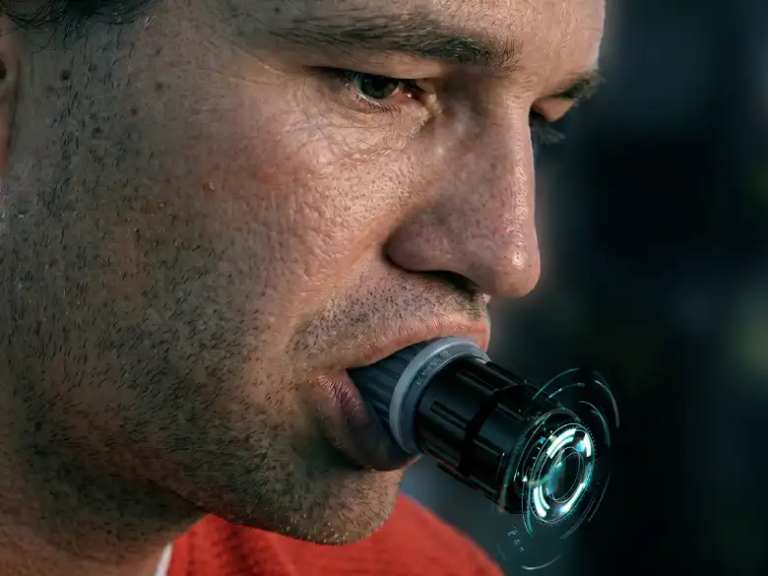
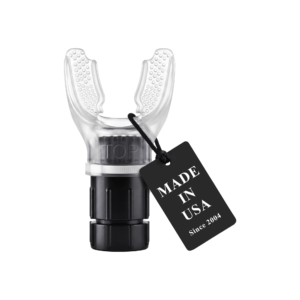
Expand-A-Lung is a compact, drug-free respiratory training device
designed to strengthen breathing muscles for everyone from elite
athletes to everyday performers.