Common Beginner Mistakes and How to Avoid Them
Starting a new fitness routine always comes with a learning curve, and breathing training is no different.
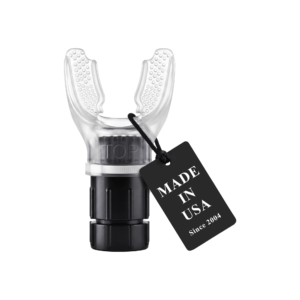
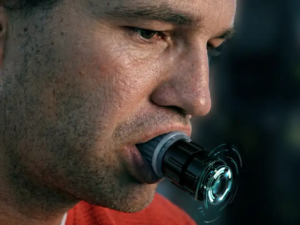
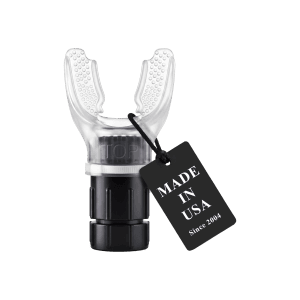
Whether you’ve just started using Expand-A-Lung or you’re building a consistent routine, avoiding a few common mistakes can make your workouts more productive and enjoyable.
The good news? Most breathing exercise mistakes are easy to correct once you know what to look for.
Let’s explore the most common beginner errors and how to avoid them.
Mistake #1: Starting with Too Much Resistance
One of the biggest misconceptions is that a higher resistance automatically means a better workout.
In reality, resistance should challenge you while still allowing smooth, controlled breathing.
How to Avoid It
- Start with a comfortable resistance.
- Focus on breathing technique before increasing difficulty.
- Increase resistance gradually as your breathing becomes more controlled.
Remember, progress comes from consistency. Not from making every session as difficult as possible.
Mistake #2: Breathing Too Quickly
When resistance feels challenging, beginners often speed up their breathing.
Fast, rushed breaths reduce control and make it harder to develop proper breathing habits.
How to Avoid It
Slow your breathing down.
Think about maintaining a steady rhythm from the beginning of your workout until the end.
Quality is always more important than speed.
Mistake #3: Poor Posture
Your posture affects how comfortably you can breathe.
Slouching or lifting your shoulders excessively can make breathing feel more difficult than necessary.
How to Avoid It
Maintain:
- Relaxed shoulders
- Upright posture
- Neutral head position
- Comfortable breathing rhythm
Good posture helps you focus on controlled breathing rather than unnecessary tension.
Mistake #4: Holding Your Breath
Some beginners unintentionally hold their breath between repetitions or tense up while using resistance.
This interrupts your breathing rhythm.
How to Avoid It
Keep each inhale and exhale smooth and continuous.
Avoid pausing unless you’re taking a scheduled rest between sets.
Mistake #5: Training Inconsistently
One long workout each week is less effective than several short sessions spread throughout the week.
Like strength training, breathing training benefits from regular practice.
How to Avoid It
Aim for:
- Short sessions
- Consistent schedule
- Gradual progression
Even five minutes a day can help establish a lasting routine.
Mistake #6: Increasing Resistance Too Soon
After just a few workouts, many beginners want to move to a harder setting.
Progress should happen when your current resistance feels controlled—not simply because time has passed.
How to Avoid It
Ask yourself:
- Can I complete every breath comfortably?
- Is my technique consistent?
- Am I staying relaxed throughout the workout?
If yes, consider a small increase.
If not, continue building confidence at your current setting.
Mistake #7: Ignoring Recovery
Your breathing muscles work during resistance training just like other muscles during exercise.
They benefit from recovery as part of a balanced routine.
How to Avoid It
If your breathing muscles feel fatigued:
- Reduce workout intensity
- Allow time between sessions if needed
- Return when you feel ready to maintain good technique
Recovery supports long-term consistency.
Mistake #8: Comparing Yourself to Others
Everyone progresses differently.
Fitness level, experience, training goals, and consistency all influence your progress.
How to Avoid It
Instead of comparing resistance settings, compare yourself to where you were last week or last month.
Your own progress is the most meaningful benchmark.
Simple Breathing Trainer Tips for Beginners
To get the most from your training:
✔ Start with lower resistance
✔ Prioritize technique over intensity
✔ Breathe slowly and consistently
✔ Train several times each week
✔ Increase resistance gradually
✔ Keep your posture relaxed
✔ Focus on long-term progress
These simple breathing trainer tips can help you build confidence while developing a routine you’ll enjoy.
Learn, Adjust, Improve
Making mistakes is part of learning any new skill.
Fortunately, most respiratory muscle training mistakes can be corrected with small adjustments to your routine.
Focus on steady progress, controlled breathing, and consistency rather than perfection.
The more you practice, the more natural your breathing workouts will become.
Frequently Asked Questions
What’s the most common beginner mistake?
Starting with resistance that’s too high is one of the most common mistakes. Beginning with a comfortable setting allows you to build proper technique first.
How often should beginners train?
Short sessions performed consistently throughout the week are generally more effective than occasional long workouts.
Should I increase resistance every week?
Not necessarily. Increase resistance only when your current setting feels comfortable and your technique remains consistent.
Is it okay to take breaks during a workout?
Yes. Short rests between sets can help you maintain good breathing quality throughout your session.
What’s the most common beginner mistake?
Starting with resistance that’s too high is one of the most common mistakes. Beginning with a comfortable setting allows you to build proper technique first.
How often should beginners train?
Short sessions performed consistently throughout the week are generally more effective than occasional long workouts.
Should I increase resistance every week?
Not necessarily. Increase resistance only when your current setting feels comfortable and your technique remains consistent.
Is it okay to take breaks during a workout?
Yes. Short rests between sets can help you maintain good breathing quality throughout your session.
Train Your Breath with Expand-A-Lung
Expand-A-Lung is a compact, drug-free respiratory training device
designed to strengthen breathing muscles for everyone from elite
athletes to everyday performers.